Cremation: What Does This Mean for Memorials?
During the grieving process, many people search for the “correct” answer to all of their questions. What is the right inscription for my loved one’s memorial? Which headstone style should I have? What material should the headstone be? The truth is, there are no simple answers for every question in this process. The family should arrange most of these issues, using their best judgement and intimate knowledge of their loved ones.
This is especially true when determining arrangements for anyone cremated. Most elect to place the urn in a central location within the home. However, there are other ways to honor people who have been cremated with a burial. Here’s some more information about cremation, and how it contributes to the funeral process.
What Happens After Cremation? Understanding Your Memorial Choices
After cremation, families must decide how and where their loved one’s remains will be placed or memorialized. While some families keep urns at home, many choose permanent memorialization in a cemetery to create a place of remembrance for generations to come.
On Long Island, cemeteries offer several cremation memorial options, including in-ground burial plots, columbarium niches, cremation benches, and memorial markers. Choosing the right option depends on personal preferences, cemetery regulations, and whether the memorial will be shared with other family members.
Working with an experienced monument company like St. Charles Monuments ensures that your chosen memorial complies with local cemetery rules while honoring your loved one’s life with care and craftsmanship.
Can You Have a Headstone or Monument After Cremation?
Yes, you can absolutely have a headstone or monument after cremation. Many families are surprised to learn that cremation burials often look very similar to traditional casket burials.
Families typically place cremated remains in an urn and bury it in a cemetery plot, either alone or alongside other family members. A monument or marker is then placed above the burial site to create a lasting memorial.
- Upright monuments: Traditional headstones that stand vertically and allow for detailed inscriptions.
- Flat grave markers: Granite or bronze markers set flush with the ground.
- Companion monuments: Designed to memorialize two or more individuals, often used for spouses or family members.
At St. Charles Monuments, we design custom cremation headstones for Long Island cemeteries, ensuring each memorial reflects the individuality and legacy of your loved one.
Cremation Burial Options in Long Island Cemeteries
In-Ground Cremation Burial Monuments
In-ground cremation burial is one of the most common options on Long Island. The urn is buried in a designated plot, and a monument or marker is placed above it.
Families may choose:
- Single cremation plots
- Multiple urns in one plot
- Family plots designed for future burials
These monuments can be fully customized with inscriptions, religious symbols, artwork, and personal messages. St. Charles Monuments works closely with local cemeteries to ensure proper sizing and installation.
Cremation Benches and Memorial Benches
Cremation benches are a unique and meaningful option that combines function with memorialization. These benches often contain space beneath or within the structure to hold cremated remains.
Memorial benches are popular in Long Island cemeteries because they provide a peaceful place for visitors to sit and reflect. Bench monuments can be personalized with engraved names, dates, and messages.
Columbariums: Most Common Way to House Ashes
Cremation has become an increasingly accepted custom throughout different cultures. Also, columbariums are the most common method of housing ashes.
What Is a Columbarium and How Does It Work?
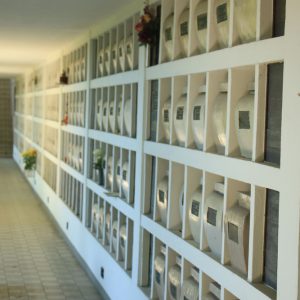
Columbariums are rooms—or sometimes entire structures—designed to house cremation urns in individual compartments called niches. Many Long Island cemeteries and mausoleums feature columbariums as a permanent cremation memorial option.
The privacy columbariums offer allows families to visit and pay their respects in a quiet, dignified setting. A granite or bronze faceplate seals each niche and displays the individual’s name, dates, and often a personal inscription.
Columbarium options include:
- Indoor columbariums: Located inside mausoleums or chapels.
- Outdoor columbariums: Garden-style settings with landscaped surroundings.
- Companion niches: Designed to hold two urns.
St. Charles Monuments creates custom niche fronts that meet cemetery requirements while providing a beautiful and dignified memorial.
Cremation Urns as Permanent Memorials
Types of Cremation Urns for Burial or Placement
Cremation urns come in a wide range of styles and materials. Some are designed specifically for burial, while others are made for display or placement in a columbarium.
- Burial urns made from biodegradable or durable materials
- Columbarium-approved urns sized to fit niche requirements
- Keepsake urns for families who wish to share remains
Custom and Engraved Cremation Urns
Many families choose to personalize urns with engraved names, dates, and symbols. Matching urn designs with the monument or niche face creates a cohesive and respectful memorial.
St. Charles Monuments helps families select urns that comply with Long Island cemetery regulations while honoring personal and cultural preferences.
Can You Have a Family Monument With Cremation?
Yes, cremation allows for flexible family memorial planning. Many Long Island families choose family monuments designed to hold multiple urns over time.
Family cremation monuments can include:
- Large upright monuments with multiple name panels
- Family plots with space for future urn burials
- Existing family graves adapted for cremation remains
This option allows families to plan ahead while ensuring loved ones are memorialized together in one meaningful location.
Cremation Monuments vs. Traditional Burial Monuments
While cremation and traditional burial monuments serve the same purpose, there are some key differences.
- Size: Cremation monuments are often smaller due to space requirements.
- Cost: Cremation burials and monuments can be more affordable.
- Flexibility: Cremation allows for shared plots and multi-use memorials.
Despite these differences, cremation monuments can be just as elegant and long-lasting as traditional headstones.
Cemetery Rules and Regulations for Cremation Memorials on Long Island
Each Long Island cemetery has its own rules regarding cremation burials, monument sizes, materials, and placement. These regulations can vary widely.
Common requirements include:
- Approved monument dimensions
- Material restrictions such as granite or bronze
- Installation guidelines and foundation requirements
St. Charles Monuments has extensive experience working with Long Island cemeteries and ensures every memorial meets all regulations, preventing costly delays or changes.
Funeral/Burial Customs: Is Cremation Acceptable?
Traditional funerals are normally held with the deceased body in a burial casket. Because of this, families with the intention of cremating their loved ones often hold the funeral mass or mourning rituals before cremation.
Other religions are more lax about cremation, and will permit that the funeral service be held with ashes. Others still do not permit cremation at all, regardless of whether the body is intact during the funeral service.
Choosing to bury cremated remains in a cemetery will enable you to commemorate your loved one with a headstone. Selecting the right unique monument for your loved one can be difficult, but at St. Charles we’re here to help.
Frequently Asked Questions About Cremation Monuments
Do cremated remains have to be buried?
No. Cremated remains may be buried, placed in a columbarium, kept in an urn, or memorialized in other approved ways depending on cemetery rules.
Can multiple urns be buried in one plot?
Yes, many Long Island cemeteries allow multiple urns in a single plot, making family memorials possible.
Are cremation monuments less expensive?
Cremation monuments can be more affordable due to smaller sizes, but costs vary based on materials and customization.
How long does it take to create a cremation monument?
Production times vary depending on design and cemetery approval, but St. Charles Monuments will guide you through the timeline and keep you informed.