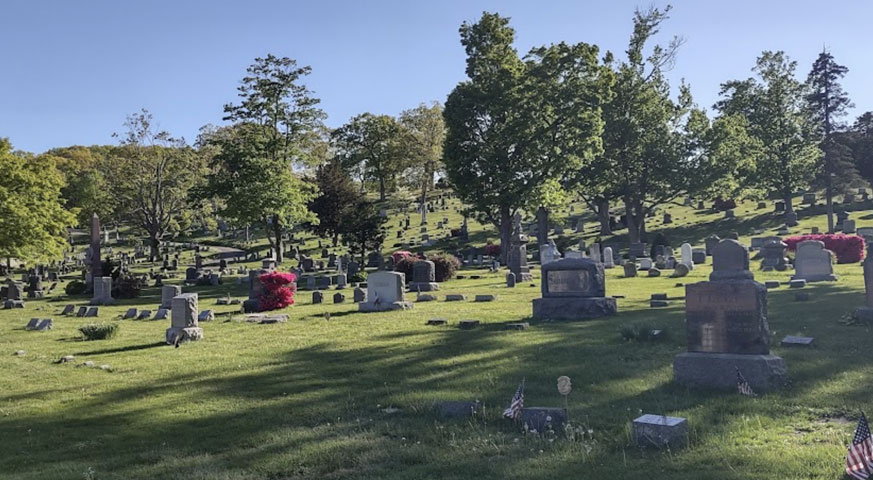
How to Choose a Cemetery Monument – Part 1
Choosing a cemetery monument is one of the most meaningful decisions a family can make after the loss of a loved one. A monument serves as a permanent tribute—one that honors a life, preserves memories, and provides a place for reflection for generations to come. While the process can feel overwhelming, understanding the key considerations early on can make it far more manageable.
At St. Charles Monuments, we have guided families across Long Island through this process for decades. In this two-part series, we break down how to choose the right cemetery monument step by step. Part 1 of choosing a cemetery monument focuses on the foundational decisions, including cemetery rules, monument types, materials, budgeting, and timing. In Part 2, we will explore personalization, inscriptions, religious symbols, and final design details.
Understanding the Purpose of a Cemetery Monument
A cemetery monument is far more than a marker—it is a lasting symbol of remembrance. It tells a story, reflects values, and creates a physical place where loved ones can gather, remember, and honor a life well lived.
For many families, a monument represents:
- A permanent tribute to a loved one’s legacy
- A place for future generations to connect with family history
- A meaningful expression of faith, culture, or personal identity
Unlike temporary memorials, a properly chosen and crafted monument is designed to endure for decades, even centuries. This is why thoughtful planning and quality craftsmanship are essential from the very beginning.
Choosing the Type of Cemetery Monument
There are several types of cemetery monuments, and the right choice often depends on cemetery regulations, family preferences, and personal tradition.
Upright Monuments (Headstones)
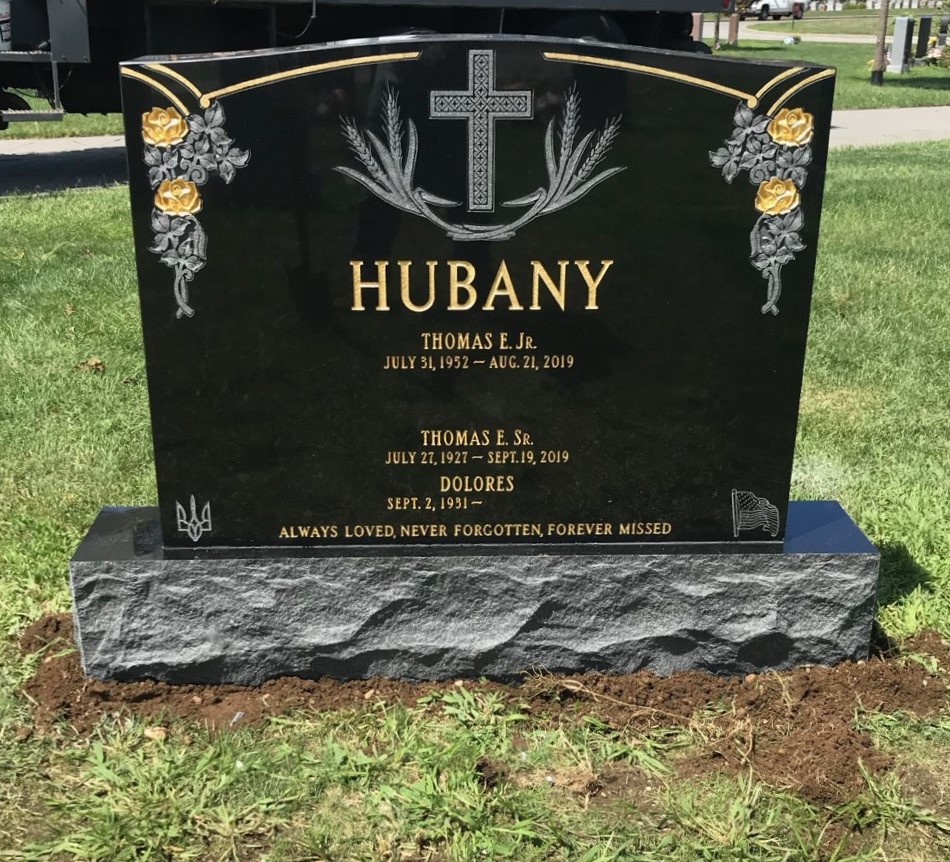
Upright monuments are traditional headstones that stand vertically. They are highly visible and allow for more detailed inscriptions, artwork, and symbolism. These monuments are often chosen by families who want a strong, lasting presence at the gravesite.
Private Mausoleums
Private mausoleums are freestanding structures designed to house one or more caskets or cremation urns above ground. These monuments offer families a distinctive and enduring way to memorialize loved ones while creating a private, dignified space for remembrance.
Often constructed from high-quality granite, private mausoleums can be customized in size, architectural style, and layout. Options may include single crypts, companion mausoleums, or larger family mausoleums intended for multiple generations. Interior features such as polished stone finishes, engraved panels, religious symbols, and seating areas can also be incorporated, depending on cemetery regulations.
Private mausoleums are subject to strict cemetery guidelines regarding placement, size, design, and foundation requirements. Not all cemeteries allow them, and those that do typically require detailed approvals before construction begins. Because of this, careful planning and professional guidance are essential.

Flat Markers (Grass or Lawn Markers)
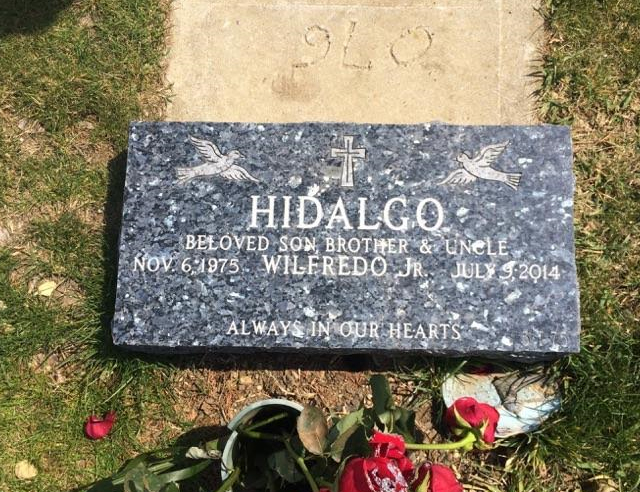
Flat markers sit flush with the ground and are common in memorial parks or lawn-style cemeteries. They offer a clean, simple appearance and are often easier to maintain. While more subtle, flat markers can still be beautifully personalized.
Slant Markers
Slant markers feature a gently angled face that provides improved visibility while maintaining a lower profile than upright monuments. They offer a balance between tradition and simplicity.

Family and Estate Monuments
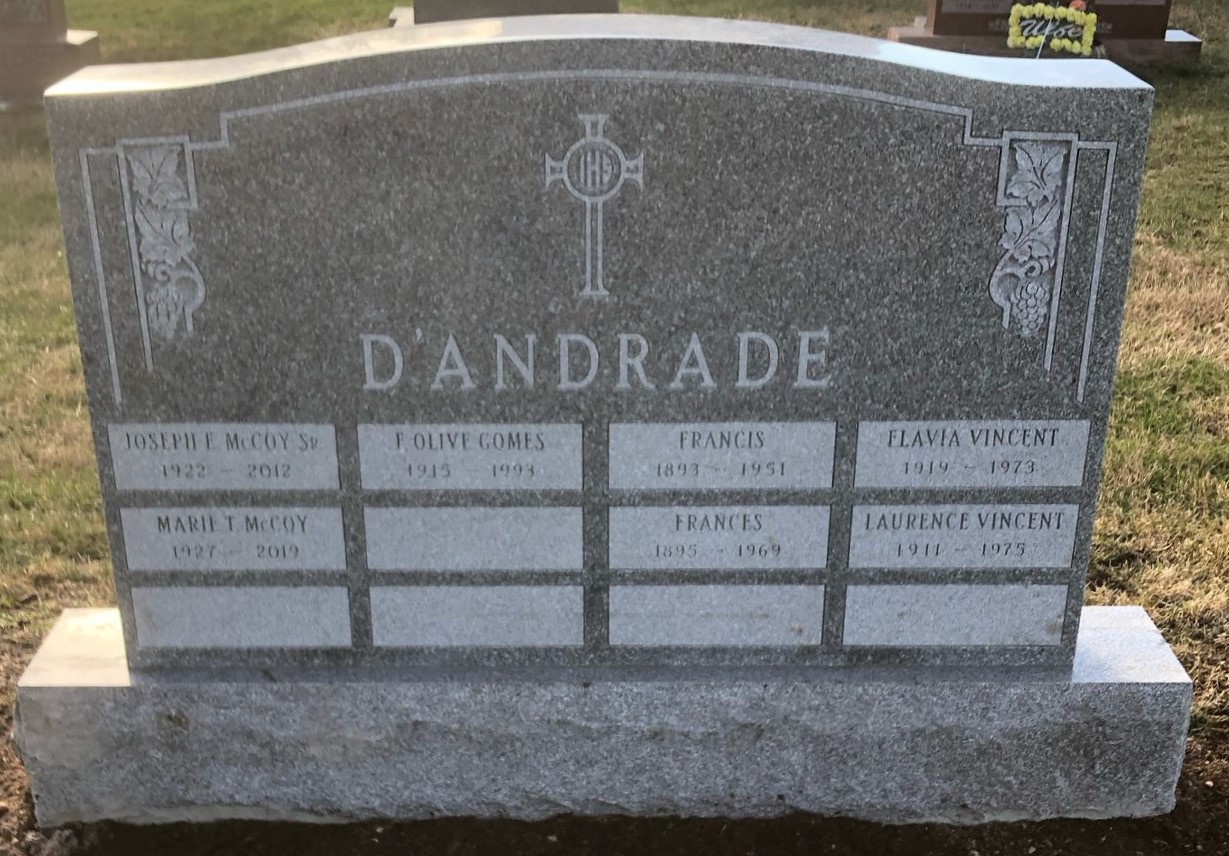
Some families choose larger memorials designed for multiple burials. While these are typically subject to stricter regulations, they can serve as a meaningful family legacy when permitted.
At St. Charles Monuments, we help families evaluate all available options and determine which monument type aligns best with cemetery rules, personal preferences, and long-term goals.
Selecting the Right Monument Material
The material you choose plays a major role in both the appearance and longevity of a cemetery monument.
Granite Monuments
Granite is the most popular and durable material used for cemetery monuments. It withstands harsh weather conditions, resists erosion, and maintains its appearance for decades. This makes it particularly well-suited for Long Island’s seasonal climate.
Granite is available in a wide range of colors, from traditional grays and blacks to warmer tones such as reds and blues. Color choice can subtly influence the monument’s character and visual impact.
Bronze Memorials
Bronze markers are often paired with granite bases and are commonly used for flat markers. They offer a classic appearance and allow for intricate detailing. However, bronze naturally develops a patina over time, which some families appreciate as part of its character.
Choosing the right material is a balance between durability, appearance, maintenance preferences, and budget. Our team at St. Charles Monuments takes the time to explain these differences so families can make informed decisions.
Know the Cemetery Rules and Regulations
Before selecting a monument design, it is critical to understand the rules and regulations set by the cemetery. Every cemetery has its own guidelines, and failing to follow them can result in delays, redesigns, or even rejection of the monument.
Common cemetery regulations include:
- Monument size and height restrictions
- Approved monument styles, such as flat markers versus upright headstones
- Material requirements, including granite type or bronze specifications
- Foundation and installation standards
Navigating these rules on your own can be confusing, especially during an emotional time. One of the advantages of working with St. Charles Monuments is our deep familiarity with cemetery requirements throughout Long Island. We handle communication with cemeteries directly, ensuring that every monument meets all regulations and receives proper approval before production and installation.
Setting a Budget and Understanding Monument Costs
Budget is an important consideration when selecting a cemetery monument, but it is also important to understand what factors influence cost.
Common pricing factors include:
- Monument size and style
- Material and color selection
- Level of customization and engraving
- Additional features such as artwork, etching, or special finishes
While it may be tempting to focus solely on upfront cost, families should also consider long-term durability and craftsmanship. A well-made monument is an investment in permanence and peace of mind.
At St. Charles Monuments, we work closely with families to provide clear pricing, flexible options, and honest guidance—ensuring there are no surprises and that every family finds a monument that fits both their vision and budget.
Looking Ahead to Part 2
Choosing a cemetery monument is not a single decision but a series of thoughtful steps. In Part 1, we covered the essential groundwork: understanding monument purpose, cemetery rules, monument types, materials, budgeting, and timing.
In Part 2, we will explore:
- Monument design and personalization
- Inscriptions, lettering styles, and layouts
- Religious symbols, artwork, and custom engraving
- Final approvals and installation details
If you are beginning the monument selection process or have questions at any stage, St. Charles Monuments is here to help. Our compassionate team proudly serves families across Long Island, offering expert guidance, quality craftsmanship, and personalized service every step of the way.